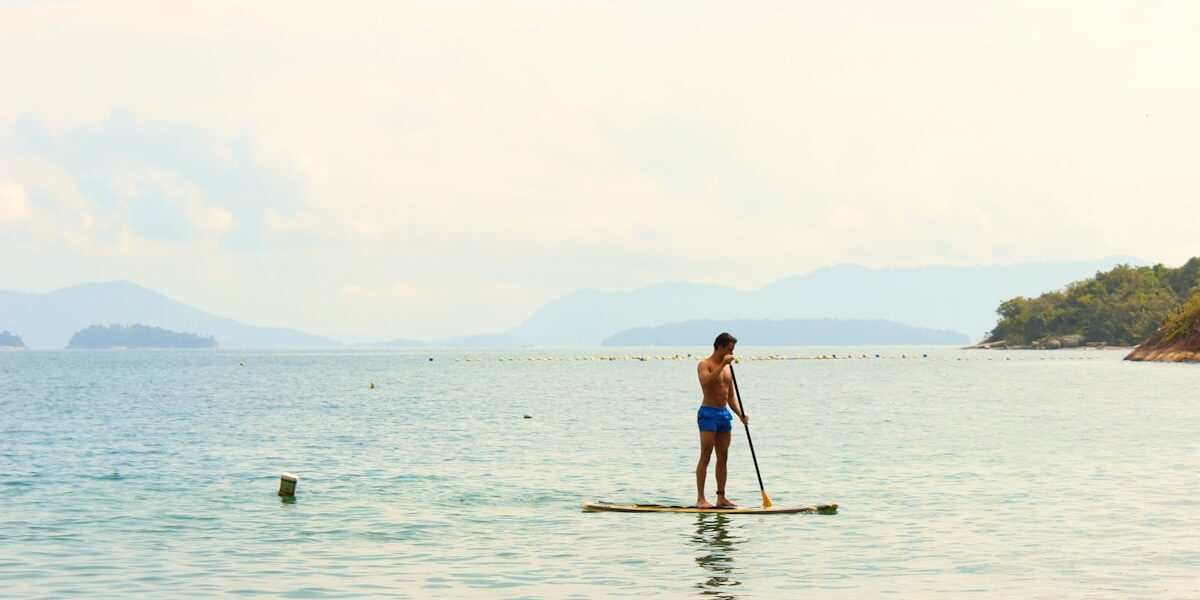
Introduction to Seattle’s Paddleboarding Paradise
As someone who spends most weekends on a board somewhere in the Puget Sound area, I’ve spent more hours than I can count figuring out getting the most out of SUP in the Pacific Northwest. Here’s what actually matters.
Getting solid advice on paddleboarding has gotten complicated with all the conflicting advice flying around lately, but I’ll break it down for you.
This thorough guide covers everything you need to know about paddleboarding in the greater Seattle area, from beginner-friendly lakes to challenging saltwater routes that will test experienced paddlers. We’ll break down the best seasons, essential gear, safety considerations, and insider tips that locals have learned through years on the water.
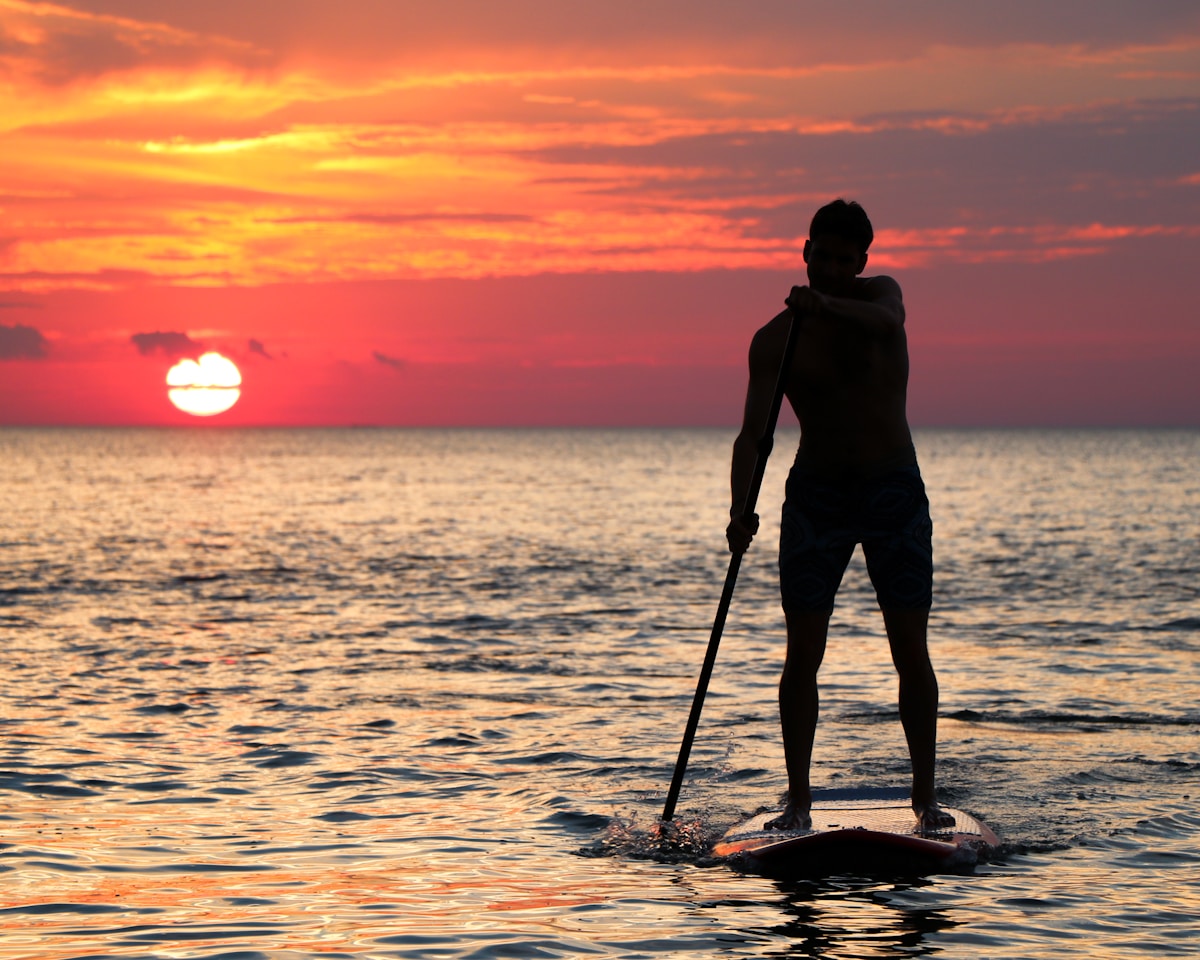
Best Freshwater Locations
Now here’s something that took me way too long to figure out.
Green Lake consistently ranks as Seattle’s most accessible paddleboarding destination, and for good reason. This 259-acre lake in the Green Lake neighborhood offers calm, protected waters with no motorized boat traffic. The 2.8-mile loop around the lake gives you a defined route that helps beginners build confidence while offering enough variety to keep experienced paddlers engaged.
The eastern shore features the primary launch area near the Green Lake Small Craft Center, where rentals are available from spring through fall. Morning sessions before 10 AM typically offer the smoothest water conditions before afternoon thermal winds develop. Water temperature ranges from the low 50s in spring to the mid-70s by late summer – warm enough for comfortable paddling without a wetsuit during peak season.
Watch for swimmers near the designated beach areas and joggers on the adjacent path who may not see you approaching from the water. The lake’s popularity means parking can be challenging on sunny weekends – arrive early or plan to walk from neighboring streets.
Lake Union puts paddleboarders in the heart of Seattle’s most dynamic waterway. Surrounded by houseboats, seaplanes, and the city skyline, this 580-acre lake offers an experience unlike any other in the region. The Center for Wooden Boats on the south shore gives you a excellent launch point with easy parking and proximity to downtown.
Lake Union requires more awareness than Green Lake due to active boat traffic. Seaplanes from Kenmore Air take off and land regularly from the lake’s center, creating both a spectacular sight and a safety consideration. Stay within 100 feet of shorelines, keep your head on a swivel, and understand that powered vessels have right of way. The reward for this vigilance is paddling past floating homes, watching floatplanes touch down, and enjoying views of the Space Needle from your board.
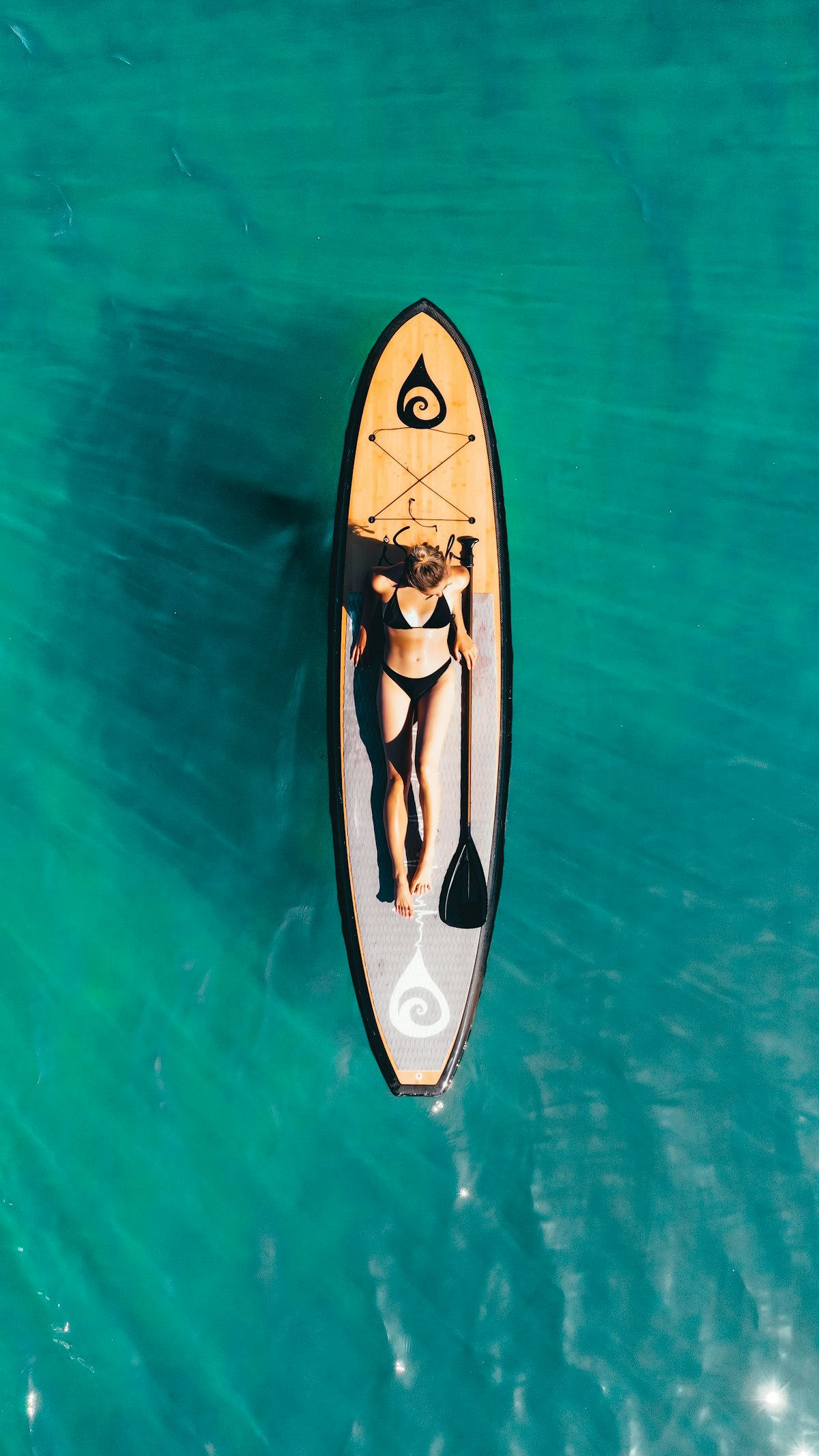
At 22 miles long and up to 200 feet deep, Lake Washington is Seattle’s largest body of water and offers paddling opportunities ranging from protected coves to open-water crossings. The western shore from Madison Park to Seward Park provides the most accessible paddling with multiple launch points and relative protection from prevailing winds.
Madison Park Beach serves as an excellent starting point with its sandy launch area and calm morning waters. From here, paddlers can head south toward the arboretum or north toward the 520 bridge. Seward Park peninsula offers a popular circumnavigation route of about 3 miles, with old-growth forest views and wildlife spotting opportunities.
Lake Washington’s size creates wind and wave conditions that can change rapidly. Check forecasts carefully and don’t venture far from shore on windy days. Water temperature stays cooler than Green Lake due to greater depth – a wetsuit is recommended from October through June.
Saltwater Paddling Destinations
Paddling Elliott Bay offers dramatic views of the Seattle skyline, ferry traffic, and the Olympic Mountains on clear days. This is more challenging water than the freshwater lakes – tidal currents, boat wakes, and wind exposure all require attention. Launch from Alki Beach in West Seattle for the best combination of easy access and protection from the strongest currents.
The crossing from Alki to downtown Seattle covers about 1.5 miles of open water and should only be attempted by experienced paddlers in calm conditions. Most paddlers prefer to stay along the Alki shoreline, enjoying beach views and the lighthouse without committing to exposed crossings.
Tidal planning is essential for Elliott Bay paddling. Outgoing tides create currents that can push paddlers toward Puget Sound, while incoming tides assist travel from Alki toward downtown. Check NOAA tide tables and current predictions before every session. Learned that the hard way, actually.
Shilshole Bay gives you a gentler introduction to saltwater paddling, with the Ballard Locks creating a protected basin less affected by Puget Sound currents. Golden Gardens Park offers the primary launch point with beach access, parking, and bathroom facilities.
The Ship Canal connecting Lake Union to Puget Sound creates a unique urban waterway perfect for exploration. Launch from Gas Works Park and paddle west through Fremont, past houseboats and restaurants, to the Ballard Locks. The locks themselves are off-limits to paddleboards, but the journey there passes through some of Seattle’s most interesting neighborhoods as seen from water level.
Seasonal Considerations
I’m going to be straight with you on this one.
Spring brings warming temperatures and longer days but also unpredictable weather patterns. Water temperatures remain cold – typically 48-55°F – requiring wetsuits for any extended paddling. Afternoon winds can develop quickly as the land heats faster than the water, creating thermal breezes that build through the season.
This is peak algae monitoring season on freshwater lakes. King County tracks blue-green algae levels and issues advisories when toxin concentrations become concerning. Check current conditions before heading to Green Lake or Lake Washington.
Peak paddling season brings the warmest water, longest days, and most crowded conditions. Early morning sessions (before 9 AM) offer the calmest water and best parking. Water temperatures reach their yearly highs – Green Lake can hit the mid-70s, while Lake Washington stays in the mid-60s.
Summer afternoons frequently see north winds developing across Lake Washington, creating choppy conditions by early afternoon. Plan morning paddles or head to protected waters like Portage Bay for afternoon sessions.
Many local paddlers consider fall the best season for Seattle SUP. Crowds thin after Labor Day while water temperatures remain comfortable through mid-October. Fog can develop during morning hours, requiring increased visibility gear and conservative route planning.
Storm systems begin arriving by late October, bringing rain and wind that limit paddling opportunities. Watch forecasts carefully and have backup indoor activities planned for this transitional season.
Winter paddling in Seattle requires commitment and proper gear. Water temperatures drop to the mid-40s, making immersion a serious hypothermia risk. A full wetsuit or drysuit becomes essential, along with additional safety equipment including a leash, PFD, and communication device.
The reward for winter paddling is often dramatic conditions – low-angle light, snow-capped mountains, and solitude on typically crowded waters. Green Lake and protected portions of Lake Union remain accessible to prepared paddlers throughout the year.
Essential Gear for Seattle Paddling
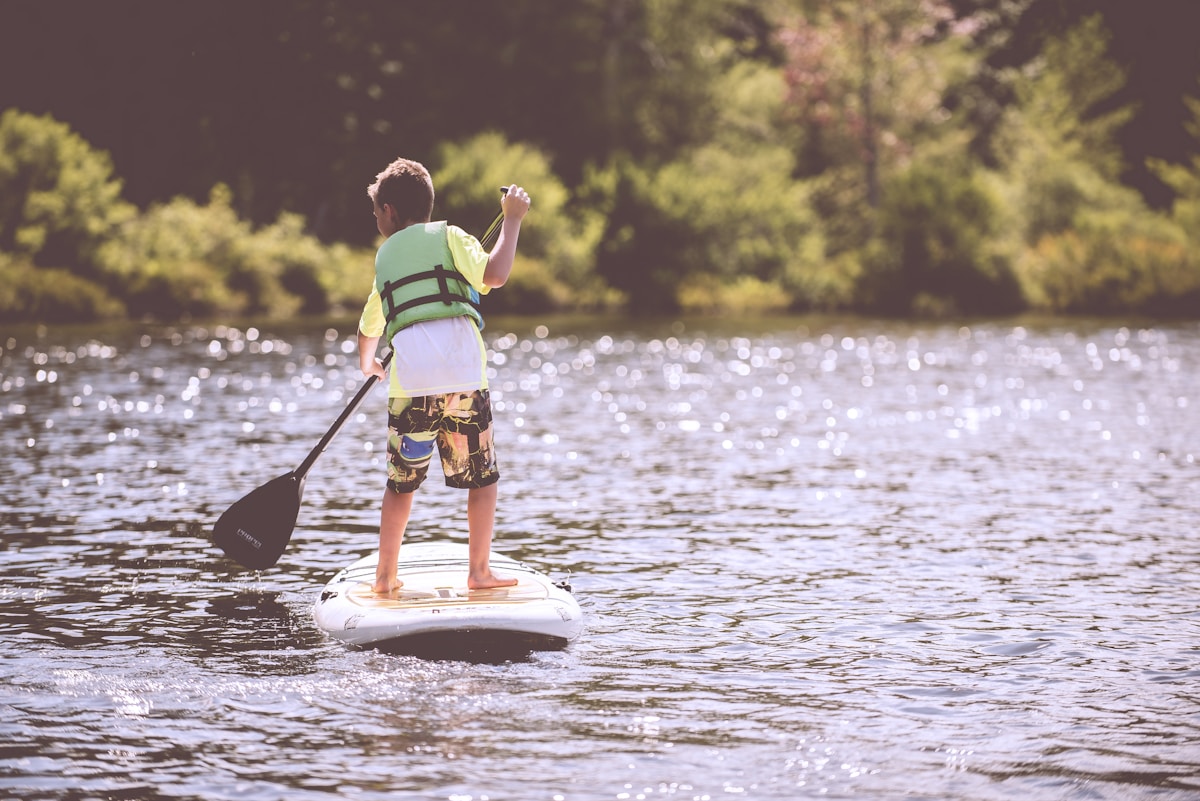
All-around boards in the 10’6″ to 11′ range work well for most Seattle conditions. These provide stability for beginners while remaining maneuverable enough for exploring shorelines and navigating boat traffic. Inflatable boards have become increasingly popular due to easy storage in Seattle’s apartment-heavy housing market and convenience for accessing distant launch points.
Touring boards offer advantages for Lake Washington or Ship Canal routes where efficiency over distance matters. Their length (typically 12′ to 14′) and narrower profile require more skill but reward paddlers with significantly improved glide and tracking.
Seattle’s water stays cold enough year-round that exposure protection deserves careful consideration. From May through September, board shorts or athletic wear suffices for many paddlers, though a lightweight rashguard provides sun and abrasion protection. A windbreaker that packs small helps manage variable conditions.
Spring and fall demand more big protection. A 3/2mm wetsuit handles most conditions from October through April. Winter paddlers typically upgrade to 4/3mm or 5/4mm fullsuits, or make the investment in a drysuit for maximum flexibility across conditions.
Washington State requires a PFD (personal flotation device) for all paddleboarders. Belt-pack inflatable PFDs have become popular for their minimal interference with paddling motion, though traditional foam vests offer advantages in colder conditions where they provide additional insulation.
A leash connecting paddler to board is considered essential gear in Seattle. Water temperatures are cold enough that swimming after a lost board creates real risk, even in summer. Use an appropriate leash for your conditions – coiled leashes for flatwater, straight leashes for any surf or current.
Local Tips and Etiquette
Seattle’s paddling community maintains an informal but strong ethic of sharing waterways respectfully. Power boats and sailboats have right of way over paddleboards in most situations. Rowing shells, common on Lake Washington and Lake Union, require particular attention – they move fast, face backward, and can’t maneuver quickly.
Leave wildlife alone. Seattle’s waters host seals, sea lions, eagles, and migrating salmon that deserve space. Maintain at least 100 feet from marine mammals and avoid paddling over shallow spawning areas during salmon runs (typically August through November depending on species and location).
Share launch areas courteously. Peak summer days bring crowds to popular spots like Green Lake and Madison Park. Stage your gear efficiently, launch promptly, and leave space for others. Many launch points share space with swimmers, kayakers, and small boats – awareness and patience keep everyone happy.
Conclusion
Seattle offers paddleboarding opportunities that rival any metropolitan area in the country. From the protected calm of Green Lake to the urban adventure of Lake Union to the challenging open water of Puget Sound, there’s a paddle for every skill level and interest.
Start conservatively, build skills progressively, and always respect the water. Seattle’s temperatures leave little margin for error – proper gear, weather awareness, and realistic assessment of your abilities keep paddling fun and safe. The investment in preparation pays dividends through seasons of exploring one of America’s great paddling regions.
See you on the water!
And that’s what makes paddleboarding endearing to us fellow SUP enthusiasts — it’s just different out here.
Anyway, I hope this helps you out. Feel free to drop a comment if you’ve got questions — I’m always happy to chat about this stuff.

Stay in the loop
Get the latest seattle paddleboard updates delivered to your inbox.