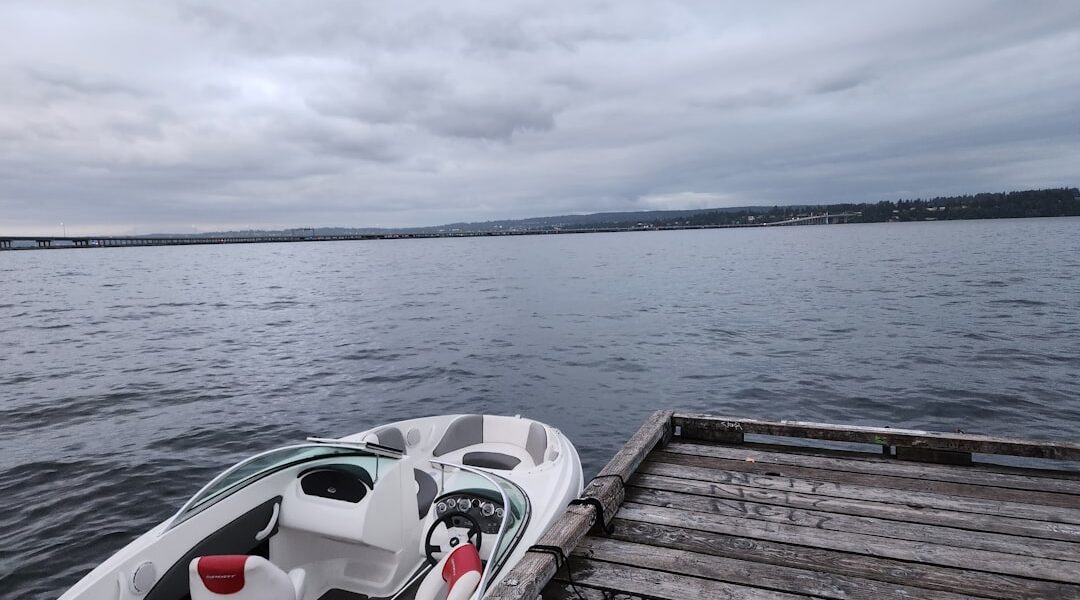
Winter SUP in Seattle – What You Need to Know
Winter paddleboarding in Seattle has gotten complicated with all the conflicting advice about drysuits and cold water safety. As someone who has been paddling Puget Sound year-round for six seasons, I learned everything there is to know about staying safe (and comfortable) during winter sessions. Here is what actually matters.
The short version: winter paddling is not about toughness. It is about the right gear and knowing when conditions cross from challenging to dangerous.
Water Temperature Reality
Puget Sound hovers around 48-50°F from December through March. Lake Washington sits slightly cooler at 42-48°F. Those are not just “cold” numbers — they are hypothermia-in-minutes numbers if you end up in the water.
At 50°F water temperature, you have maybe 10-15 minutes of useful muscle function after immersion. That is what makes winter paddling demand your full attention and proper preparation, not just grit.
Drysuit vs. Wetsuit
Wetsuits work by trapping a thin layer of water against your skin that your body heats. They are designed for immersion activities. Drysuits keep you completely dry with waterproof seals at wrists, neck, and ankles.
For SUP in winter Seattle waters, a drysuit is the right call. When you are standing and paddling — not swimming or surfing — you are not generating the sustained heat a wetsuit needs to function. A wetsuit leaves you cold and damp even before you fall in.
Local Winter Paddling Spots
Seattle offers multiple options, but some work better than others in winter:
Best for winter: Lake Union, Green Lake, Lake Washington protected bays. Calmer water, easier rescue if needed, less wind exposure.
Think twice: Puget Sound open water, Shilshole Bay, exposed areas of Lake Washington. Wind picks up fast, waves build quickly, and cold water immersion becomes much more dangerous when conditions change.
Gear You Actually Need
Beyond the drysuit, cold-water SUP requires a few additions most people skip:
- Leash — Non-negotiable in cold water. Your board is your primary flotation device if you fall in. Use a coiled leash for flatwater to keep it from dragging.
- PFD — Required by law on Puget Sound and smart everywhere in winter. An inflatable belt pack stays out of the way while paddling and deploys when you need it.
- Neoprene gloves and hood — Heat loss through hands and head accelerates hypothermia faster than most people expect. Even inside a drysuit, unprotected extremities will fail within 30 minutes in 48°F water.
- Booties — 3mm minimum for Lake Washington flatwater, 5mm for Puget Sound or extended cold sessions.
- Whistle — Required by USCG regulations for paddlecraft and actually useful if you end up in the water and need to signal.
- Dry bag — Phone and car keys sealed in a waterproof bag clipped to the board. Assume you will go in at some point.
- Float plan — Tell someone where you are launching and when you expect to be back. Not glamorous, but it is what experienced cold-water paddlers do.
Timing helps too: morning sessions typically have lighter wind before afternoon northwest flows develop. Check wind forecasts before leaving home, not just when you arrive at the launch.
Join the Winter Paddling Community
Seattle’s SUP community stays active year-round. Local groups organize winter paddles, which give you the safety of numbers and experienced paddlers who know the conditions. Attend winter events when available. Support the local paddle shops that stay open through the off-season — they are the ones who will help you dial in your cold weather gear before you need it.
Winter paddling is not for everyone, but if you prepare properly, Seattle’s waterways offer incredible sessions when summer crowds disappear.

Stay in the loop
Get the latest seattle paddleboard updates delivered to your inbox.