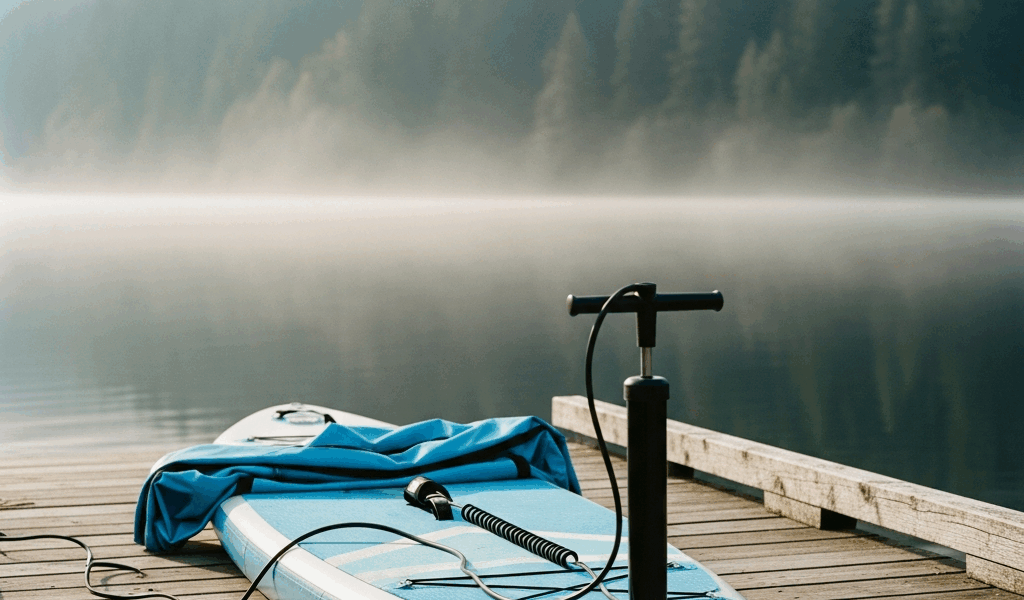
Costco’s spring sporting goods shipment hits the floor sometime in late February or early March, and every year the inflatable SUP section gets a fresh lineup. Right now the Tobin Sports Endeavor Elite 11’2″ is in the mix at around $349 at Costco, and it includes everything — electric pump, bag, paddle, all three fins. Looks like a solid deal on paper. Whether it holds up on the water is a different question.
I paddle on Puget Sound and Lake Union regularly, and budget boards at this price point are something I’ve spent a lot of time with. Here’s the honest version.
Who Is the Tobin Sports Endeavor Elite Built For?
Someone who wants to get on the water this summer without dropping $650 on a mid-range iRocker. That’s the target. If you have a Costco membership and you’re thinking about a few summer sessions on Green Lake, some time at a Cascade lake, or just want a first board that won’t feel like a huge financial commitment — this board makes sense for that.
What it’s not: a performance board. You’re not going to cover distance efficiently or track well in chop. The shape isn’t designed for it. What it is: wide, stable, forgiving. At 11’2″ long and 32 inches wide with a 353 lb capacity, it’s built to keep newer paddlers upright, not to go fast.
First Impressions — Unboxing and Setup
The box weighs around 28 lbs, which always surprises people who’ve never handled an inflatable board kit. Everything is vacuum-packed in there tight enough that getting the board out and rolling it flat the first time takes a few minutes of wrestling. After the first time, it’s easy. That first session though — budget an extra ten minutes.
The PowerGrip Sport electric pump is the best thing about this package. A lot of budget boards ship with hand pumps or cheap electric pumps that take forever and sound like a leaf blower. The PowerGrip Sport plugs into your car’s 12V outlet, you dial in the PSI target, and it shuts itself off. Inflating to 15 PSI takes about 8-10 minutes. Not fast — but completely hands-free, which matters when you’re also wrangling kids, loading a car rack, or trying to get to the water before the wind picks up.
One thing a lot of first-timers skip: inflating to the full 15 PSI. At 10 PSI the center of the board flexes under your feet and the whole thing feels wobbly and soft. That’s physics, not a defect. Always go to the max recommended pressure before you launch. Skipping this is probably the single most common reason beginners think a budget board is bad.
The included paddle is aluminum with a plastic blade. Functional, nothing more. It’ll hold up fine for casual paddling. If you find yourself using the board more than a few times a season, a carbon fiber paddle upgrade makes a real difference in arm fatigue over two hours. The carry bag has backpack straps but no padding — fine for a parking lot to a dock, rough for any real distance.
On the Water — Stability, Tracking, and Maneuverability
The 32-inch width is where this board actually earns its price. The Body Glove Performer 11′ — also at Costco — is 31 inches wide. An inch sounds trivial. When you’re learning to paddle, it isn’t. Beginners stand wider, shift their weight more, and have less control over their center of gravity. That extra inch of platform helps more than any spec sheet makes it sound.
I paddled this on a protected Puget Sound bay and on Lake Union in light chop from passing boats. On flat water it’s easy — a nervous beginner can find their footing within a few minutes. In chop, boat wakes, or any ferry traffic distance on Lake Union, the board bobs. It moves under your feet in a way that surprises people who aren’t expecting it. That’s not a flaw; that’s how wide inflatable SUPs behave in moving water. Just set the expectation before you head out.
Tracking requires a paddle switch every 3-4 strokes on a side. That’s standard for a wide all-around board, not a criticism. If you’re paddling around a lake with nowhere to be, it doesn’t matter. If you want to cover distance efficiently, this isn’t the board for that.
The 353 lb weight capacity is genuinely noteworthy. Most boards in this range max out at 265-275 lbs. The extra capacity means bigger paddlers can use this board without it sitting low and wallowing, and there’s real room left for a dog, a dry bag, or a small kid on the nose.
Build Quality — Is Tritech Construction Actually Sturdy?
Tobin calls it “Tritech” — a triple-layer reinforced stringer down the center of the board. At 15 PSI it keeps things stiff enough that you don’t feel flex during normal paddling. Compared to cheap single-layer PVC at the same price, it’s a meaningful step up. You can feel the difference.
It’s not the woven drop-stitch construction you get in an iRocker or Bluefin at double the price — that’s worth saying clearly. Side by side you’d notice. But for a beginner doing recreational paddling in calm to moderate conditions, it’s plenty solid.
The fins use a screw-tab system that fastens from the underside. Those threads can strip if you overtighten — hand-tight is all they need. A loose fin is obvious immediately from how the board starts wandering, so you’d catch it fast. Keep a fin key set in your bag as cheap insurance. One honest caveat: this Tobin model is new enough to the Costco rotation that there isn’t much multi-year durability data yet. The Body Glove has been around longer and has more community tracking on how it holds up.
Tobin Sports Endeavor vs. Body Glove Performer — Both at Costco
When Costco stocks both, the comparison is pretty clean. Tobin: 11’2″ x 32″, 353 lb capacity. Body Glove: 11′ x 31″, around 275 lb capacity. Both price around $349-399. On paper, the Tobin wins on width, weight capacity, and pump quality — the PowerGrip Sport gets better user ratings than the Body Glove pump across most reports.
The Body Glove’s edge is its track record. It’s been at Costco for years, which means more reviews, more forum threads, more people who’ve run into the same issues and posted about them. If your valve starts acting up or a fin tab strips, there’s a reasonable chance someone else has already written up what to do. That community knowledge base is still thin for the Tobin. First-time board owners tend to appreciate having that kind of resource when something goes sideways.
For most beginners, the Tobin is the better buy. If you’ve paddled before and want the slightly more responsive feel of a narrower board, the Body Glove is worth considering.
Is the Tobin Sports Endeavor Elite Worth Buying?
Yes — if you’re the right buyer.
The Tobin Sports Endeavor Elite makes sense if you want to try paddleboarding without spending real money on a board you might decide isn’t for you. The all-inclusive kit is genuinely convenient. The electric pump is better than most at this price. The wider platform and higher weight capacity are real advantages over comparable budget boards.
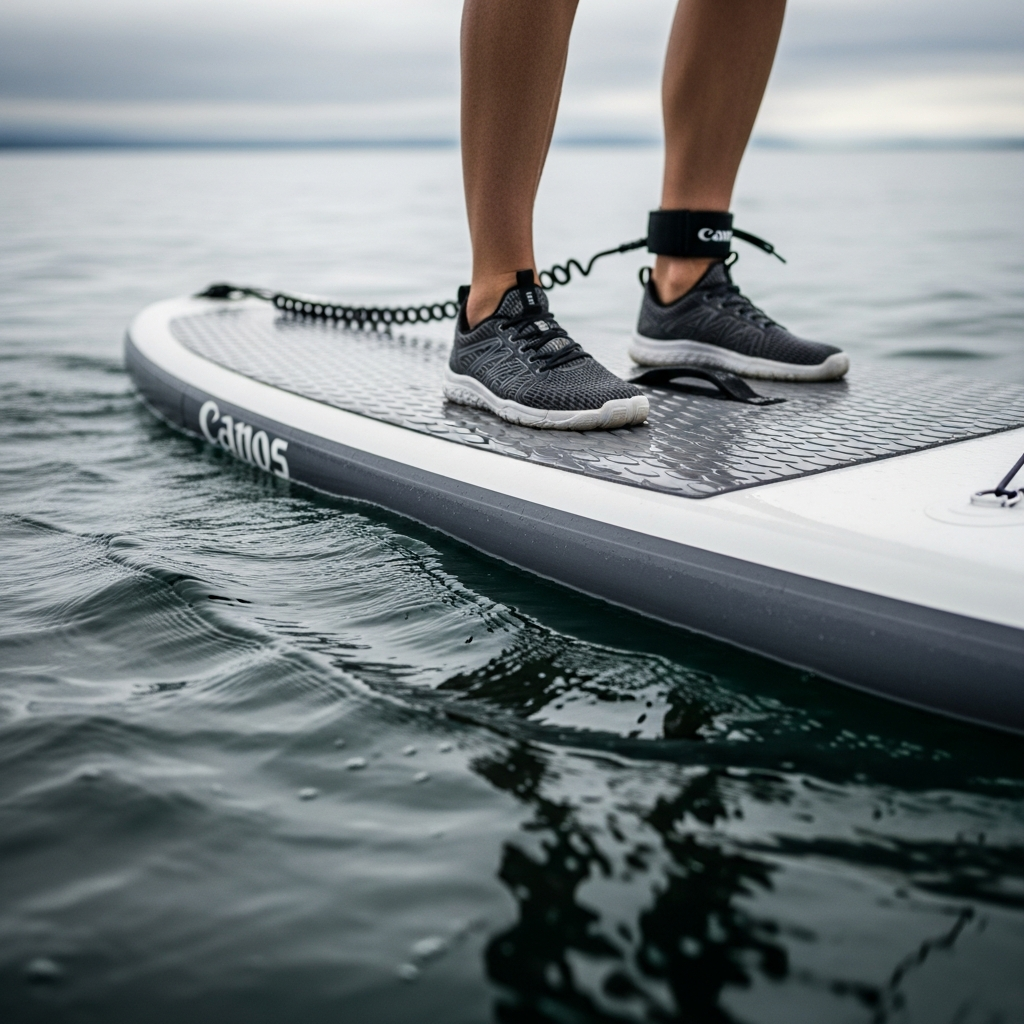
Two things the kit doesn’t include that you should grab before your first session: a coiled SUP leash and a pump carry bag. The leash is a safety essential in PNW cold water — staying attached to your board when you fall matters here. The pump bag just keeps the electric pump from getting dinged up in your trunk.
Costco’s 90-day return policy applies. If you get it on the water a few times and decide paddleboarding isn’t your thing, you can return it. That’s a completely different risk profile from buying online where returns are a project.
If you end up paddling 15-20 sessions a season, you’ll start bumping into the limits — the tracking inefficiency, the flex in any real chop, the basic accessories that need upgrading. At that point an iRocker Cruiser at $599-699 is worth the step. The Tobin Sports Endeavor Elite is a try-it board. For what it is, at the price it sells for, it delivers.