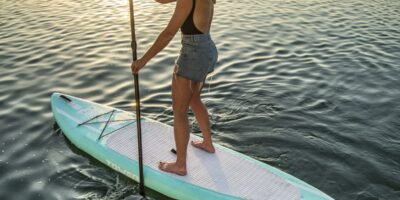
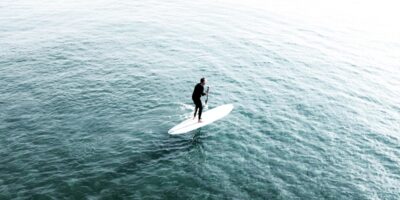
As someone who has been paddle boarding around Seattle for the better part of a decade, I’ve spent more hours than I can count figuring out paddle boarding in the Seattle area. Here’s what actually matters.
Getting solid advice on paddle boarding has gotten complicated with all the YouTube tutorials and gear reviews flying around lately, but I’ll break it down for you.

The Current Problem
Tidal current matters more than tide height. When water moves through narrow passages – like the entrance to Shilshole Bay or around West Point – it can run 2-3 knots. That’s faster than most recreational paddlers move. Fight a current that strong and you’ll exhaust yourself. Work with it and you cover ground easily.
The NOAA tide and current predictions matter. “Slack water” – the brief period when currents pause before reversing – offers the easiest paddling. Time your session around slack, and you’ll paddle in both directions without fighting the flow.
Where Tides Matter Most
Look, I’ll be honest here.
Shilshole/Golden Gardens: Strong currents at the bay entrance during tide changes. Stay inside the marina area if currents are running hard, or time your paddle for slack.
Alki Beach: The point at Alki has noticeable current. Low tide exposes rocks all along the shore – stick to high tide if you’re unfamiliar with the area.

Salmon Bay/Ship Canal: The locks create artificial current patterns. Water releases through the fish ladder constantly. Paddle away from the locks themselves.
Lake Union and Lake Washington: Minimal tidal influence. These lakes connect to Puget Sound through the locks, so water levels stay relatively constant. If you want to ignore tides, paddle here.
Reading the Water
Current lines are visible. Look for ripples, debris moving in one direction, or smooth patches next to choppy water. Eddies form behind points and bulkheads – these are current breaks where you can rest or paddle upstream more easily.
Kelp beds indicate shallow areas that may be exposed at low tide. If you see kelp, there’s probably rock beneath it.
Planning Your Session
Here’s where things get interesting, if you ask me.
Check NOAA’s tides and currents forecast (tidesandcurrents.noaa.gov). The tide chart for Seattle’s waterfront gives you height. Current predictions for specific stations tell you flow speed and direction.
General rules: start paddling against any current so you return with it when you’re tired. Avoid extreme tide changes – the hour before and after peak current typically has the strongest flow. Mid-tide (halfway between high and low) often has mellower currents than the extremes.
For Puget Sound paddling, the tide change will happen whether you’re ready or not. Know when it’s coming and plan accordingly.
And that’s what makes paddle boarding endearing to us PNW water lovers — it’s just different out here.
That’s pretty much everything I’ve got on this topic. Get out there and enjoy yourself, and don’t overthink it too much.